
Benefits of Learning Mandarin for Children
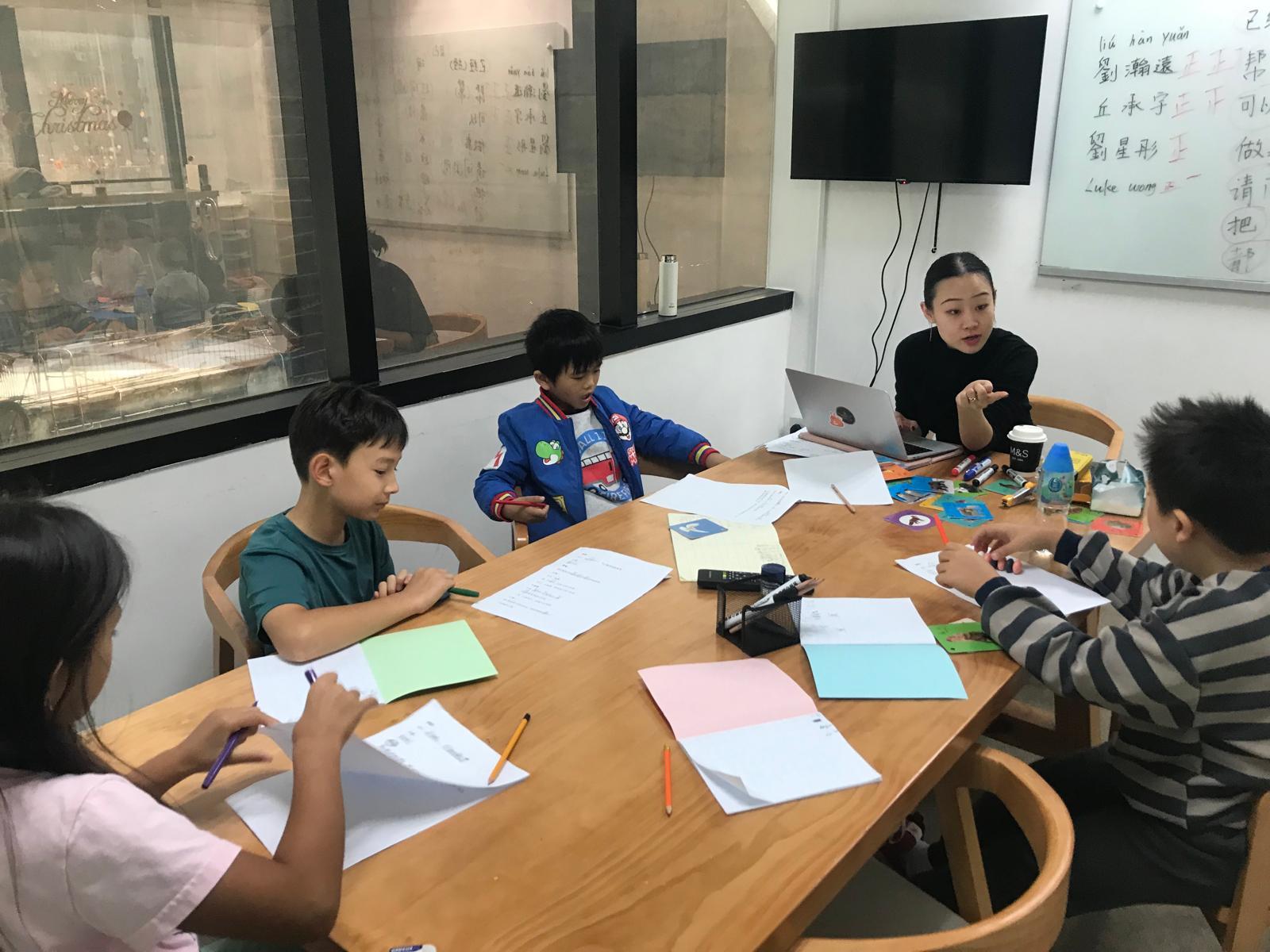
Mandarin has emerged as one of the most valuable languages for young children to learn. Far more than a simple second language, Mandarin learning is a holistic investment in kids’ growth. Early childhood Mandarin education offers unique strengths, it stimulates brain development, broadens cultural horizons, communication skills and opens up countless academic and professional opportunities.

1. Boosts Cognitive Development & Brain Power
Early childhood is the golden stage for brain development, and Mandarin delivers unique cognitive advantages that alphabet-based languages.
This distinctive linguistic structure activates multiple brain regions at once. Memorizing Chinese characters improves children’s visual discrimination, spatial awareness and long-term memory. Constantly switching between their native language and Mandarin also enhances mental flexibility, enabling kids to process information faster and more efficiently.
2. Enhances Cultural Intelligence & Global Perspective
Language is the vessel of culture, and learning Mandarin is a precious gateway to China’s 5,000-year-old splendid civilization. Through consistent Mandarin learning, children get access to traditional Chinese poetry, festivals, calligraphy, folk tales and profound philosophical wisdom, enriching their spiritual world beyond textbook knowledge.
This learning process helps kids understand and respect cross-cultural differences, laying a solid foundation for cultural intelligence and empathy—vital soft skills for modern global citizens. In today’s multicultural society, children with Mandarin and Chinese cultural knowledge can build better cross-cultural friendships, develop open and inclusive mindsets, and grow into adaptable, tolerant individuals with comprehensive personal qualities.
3. Improves Communication Skills
Learning Mandarin is a powerful way for children to sharpen their overall communication skills and build genuine social confidence. Mandarin is a practical, living language that encourages kids to engage in real interpersonal communication. As they learn daily dialogues, casual greetings, and conversational expressions, children gain a complete set of verbal communication skills, including clear expression, logical speech, and appropriate interactive manners.
The biggest advantage of kids learning Mandarin lies in practical interaction. Whether chatting with native Mandarin speakers, making new multicultural friends, or participating in Mandarin classes for kids, children get constant opportunities to speak and interact actively. Moreover, the ability to communicate fluently in a second language also cultivates children’s empathy and social adaptability, enabling them to listen to others patiently and respond appropriately in cross-cultural interactions. These polished communication skills and positive self-confidence will benefit their daily socialization, school performances and future interpersonal communication for life.
4. Easier & More Effective Learning at a Young Age
Childhood is the best time to learn Mandarin, thanks to kids’ unique learning advantages. Children’s brains are highly flexible, allowing them to absorb new languages naturally and intuitively, young learners can master authentic pronunciation, intonation and writing habits effortlessly, just like picking up their mother tongue.
Additionally, tackling the challenges of learning Mandarin cultivates children’s resilience and self-discipline, fostering good study habits that boost their overall academic performance in all subjects.
5. Builds Family & Community Connections
For children of Chinese descent, learning Mandarin helps them reconnect with their cultural roots, communicate smoothly with elderly family members, and inherit traditional family and cultural customs. It bridges generational gaps and strengthens intimate family bonds.
For non-Chinese families, Mandarin learning opens doors to diverse community resources and global opportunities. Kids can join Mandarin learning classes, experience traditional Chinese festival activities, and participate in international youth exchange programs, broadening their social horizons and enriching their childhood experiences.
6. Future Opportunities & Career Advantages
As China solidifies its position as a key global economic power and a major player in international trade, technology, education and diplomacy, Mandarin proficiency has become a highly competitive and sought-after global skill.
For school-age children, Mandarin learning is a standout advantage for academic competitions, international school admissions and overseas study applications. Top universities across North America, Europe and Australia actively value students with Mandarin skills, as linguistic and cultural diversity is a core priority in modern higher education.
In the long run, Mandarin fluency unlocks abundant career possibilities. Industries including international business, finance, tech innovation, tourism, diplomacy and cross-cultural education have a high demand for Mandarin speakers.
Conclusion
Learning Mandarin in childhood is far more than mastering a second language—it is a long-term investment in children’s cognitive development, academic future, cultural literacy and personal growth. From boosting brain power and building self-confidence to gaining global competitive edges and nurturing inclusive worldviews, the benefits of learning Mandarin for children are lasting and transformative. Regardless of your child’s age or cultural background, starting Mandarin learning early is a precious lifelong gift.

Comments